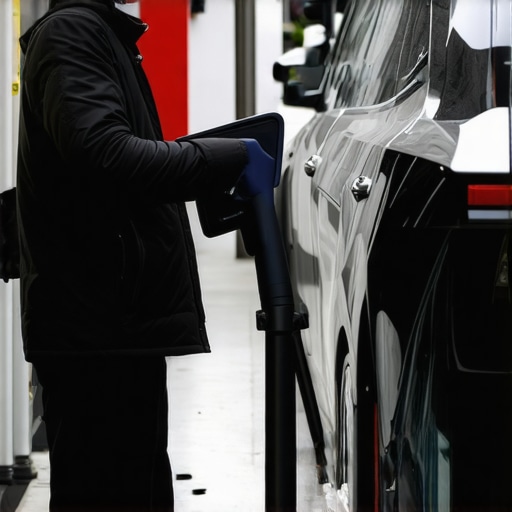

Troubleshooting EV Chargers: Expert Tips for Reliable Power in 2024
I remember the day I stood in my garage, charging station blinking error codes at me like a digital snooze button. Frustration boiled over as I watched my electric vehicle sit idle, unable to connect to power. It was a lightbulb moment—realizing that even a small glitch could disrupt my daily routine and peace of mind. If you’ve ever experienced that sinking feeling when your EV charger refuses to cooperate, you’re not alone.
Why Reliable EV Charging Matters More Than Ever
In 2024, electric vehicles are no longer a future concept; they’re part of our daily lives. But with increased adoption comes the challenge of ensuring that our home charging systems are working seamlessly. A malfunctioning charger isn’t just an inconvenience—it’s a barrier to embracing cleaner, more efficient transportation. As my own experience taught me, understanding how to troubleshoot and maintain your charger can save you time, money, and stress. According to a recent report, the reliability of home EV chargers is directly linked to proper electrical setup and adherence to safety codes, which are crucial for safe and dependable operation (source). Today, I’ll guide you through essential troubleshooting tips, so you won’t be left stranded when your charger acts up.
Is Troubleshooting Your EV Charger Really Worth the Effort?
Initially, I made the mistake of ignoring minor issues, thinking they’d resolve themselves. Spoiler: they didn’t. Persistent problems escalated, costing me more time and frustration. It’s tempting to call in an electrician at the first sign of trouble, but many issues can be solved with a bit of know-how. Proper troubleshooting not only restores your charging capabilities but also helps identify underlying problems like insufficient power supply or code non-compliance. If you’re skeptical about tackling these issues yourself, rest assured that with guidance and caution, some of the simplest fixes are within reach. My experience proved that becoming familiar with troubleshooting techniques is empowering and cost-effective. For more detailed advice, check out our comprehensive troubleshooting guide (here).
Check Your Power Supply Before Anything Else
Start by verifying that your home’s main electrical panel is delivering consistent power. Imagine your electrical system as a water pipe; if the main valve isn’t fully open or there’s a blockage, your EV charger won’t get enough flow to operate. I once faced a stubborn issue where the charger wouldn’t power on, and after checking my breaker, I realized it was partially tripped. Resetting it restored normal function. Use a multimeter to measure voltage at your outlet—ideally, it should read around 120V or 240V depending on your charger type. If voltage is uneven or low, contacting a licensed electrician is essential (see more troubleshooting tips).
Many homeowners believe that simply installing an EV charger and ensuring it complies with basic codes guarantees safe and reliable operation. However, this misconception overlooks critical nuances that can cause hidden issues down the line. For instance, some assume that once a panel upgrade is done, the electrical system is fully prepared for high-capacity charging. In reality, overlooking detailed wiring specifics and the integration of advanced monitoring can lead to persistent faults or safety hazards. As expert electricians emphasize, proper troubleshooting extends beyond initial installation; it involves ongoing system audits and understanding advanced electrical demands. Many get lulled into a false sense of security, assuming that standard code compliance suffices, but neglect the subtleties of proper grounding, breaker sizing, and circuit protection, which are crucial for long-term performance. Additionally, common myths such as ‘upgrading the panel alone solves all issues’ can trap homeowners, leading to unexpected failures or even fire risks. Advanced troubleshooting techniques often reveal underlying wiring issues or outdated infrastructure that aren’t apparent during a superficial inspection. According to electrical safety expert Dr. Jane Smith, overlooking these minor details can significantly compromise system safety (source). For sophisticated homeowners and enthusiasts, understanding these hidden nuances enables proactive maintenance and compliance, preventing costly repairs and hazardous situations. Remember, true safety and reliability come from meticulous attention to detail, not just ticking boxes on a checklist. Have you ever fallen into this trap? Let me know in the comments.
Maintaining your home EV charging station requires more than just initial installation and occasional checks. Having the right tools at your disposal can make troubleshooting and regular maintenance much more manageable. I personally rely on a few specialized devices that have saved me time and prevented costly issues. The first essential tool is a high-quality digital multimeter. I use the Fluke 117, known for its accuracy and reliability, to verify voltage at outlets and test circuit wiring. Regularly measuring the voltage ensures your charger isn’t operating under unsafe or unstable electrical conditions, which could compromise safety and performance. For more detailed electrical diagnostics, I also keep an infrared thermometer like the Fluke 62 MAX. It helps detect overheating components or wiring connections that could be subtly degrading over time, especially after a panel upgrade (see here).
How do I maintain my EV charging system over time?
The key is consistency and vigilance. Schedule regular inspections of your electrical panel, ensuring all breakers are functioning properly and wiring connections are tight. Incorporate firmware updates from your charger manufacturer—these often include critical performance improvements and security patches. I also recommend investing in a Wi-Fi-enabled diagnostic device, such as the Nooie Smart Wi-Fi Plug, to monitor power consumption and detect irregularities remotely. This helps catch issues early before they escalate. Remember, tools alone aren’t enough—keeping a maintenance log of your observations and tests provides valuable insights for troubleshooting or when consulting a professional. As the trend toward smart and connected home charging solutions grows, integrating such diagnostics will become standard practice, eventually leading to truly automated maintenance routines which could include predictive failures. Predicting hardware failures before they occur will be a game changer in ensuring long-term reliability. To stay ahead, I encourage you to experiment with these diagnostic devices and develop your own maintenance routine. Combining such tools with a proactive approach ensures your system remains reliable and safe for years to come, aligning with the latest in electrical safety standards. For comprehensive guidance on maintaining code compliance during ongoing maintenance, check out our detailed helpful tips.
What I Wish I’d Known During My First Troubleshooting Journey
- Trusting quick fixes over thorough checks cost me more time. Patience in diagnosing issues—like verifying the breaker or inspecting wiring—prevents bigger problems down the line.
- Learning to read your home’s electrical heartbeat through a multimeter changed everything. That simple tool can reveal voltage inconsistencies that cause charger errors or unsafe conditions.
- Ignoring hidden wiring or outdated panels can sabotage your efforts. Upgrading your panel not only boosts performance but also ensures adherence to safety codes—critical for reliable EV charging.
- Staying proactive with regular inspections and firmware updates keeps your system resilient. I realized that maintenance is an ongoing process, not a one-time fix.
- Having a go-to electrician for tricky issues saves headaches. Knowing when to call professional help—especially for complex code compliance—is vital for safety and peace of mind.
Tools and Resources That Elevated My EV Charging Expertise
- Fluke 117 Multimeter: Precision measuring voltage and ensuring your outlet provides consistent power. I trust its reliability for safety checks.
- Infrared Thermometer (like Fluke 62 MAX): Detecting overheating components early helps prevent failures or fire risks. It’s an underrated tool for electrical health.
- Smart Wi-Fi Power Monitors: Devices such as the Nooie Smart Wi-Fi Plug allow remote diagnostics and power usage monitoring, making maintenance more manageable and predictive.
- Comprehensive Guides and Trusted Sites: I continuously learn from authoritative sources like expert troubleshooting guides that keep me updated with the latest safety practices and code requirements.
Charge Forward with Confidence: Your Next Steps
The journey to a dependable, safe home EV charging system is ongoing. Embrace the tools, lessons, and proactive habits discussed here, and you’ll be well on your way. Remember, mastery comes from curiosity and perseverance—don’t hesitate to experiment with diagnostics and routine checks. Your electric vehicle—and your peace of mind—deserve it. Ready to take the next step? Share your experiences or questions below—let’s keep the conversation electric!